Joint Pain Treatment in Indore
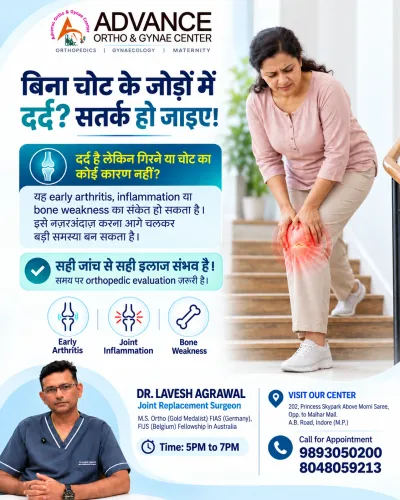
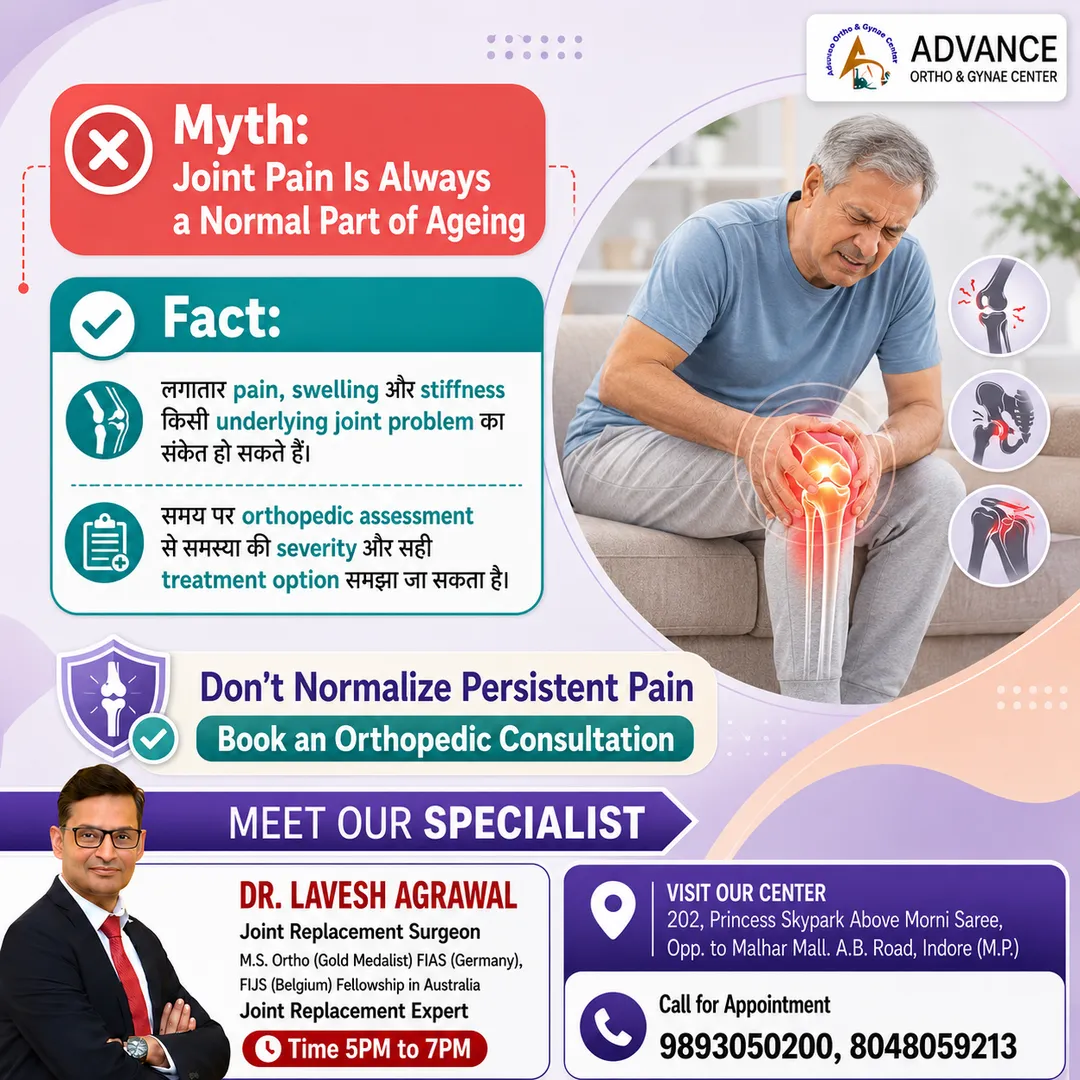
Joint pain is often considered a normal part of aging; however, persistent pain, swelling, stiffness, or difficulty moving should never be ignored. These symptoms could indicate arthritis, cartilage damage, ligament injuries, inflammation, or other orthopedic issues that require timely evaluation.
For patients seeking reliable joint pain treatment in Indore, Dr. Lavesh Agrawal offers comprehensive assessments and personalized orthopedic care at the 'Advance Ortho & Gynae Center.' Before recommending a treatment plan, each patient undergoes a thorough examination to identify the root cause of the pain.
The primary goals of treatment are to alleviate pain, improve joint mobility, and prevent further damage, enabling patients to lead a more active and comfortable life.
What is Joint Pain?
Joint pain refers to discomfort, stiffness, aching, or swelling in any of the body's joints. It can affect the knees, hips, shoulders, ankles, elbows, wrists, or fingers.
Some patients experience mild pain only during movement, while others may suffer from constant discomfort even while resting. Joint pain can occur suddenly following an injury or develop gradually due to arthritis and age-related joint changes.
Although aging increases the risk of joint problems, persistent pain should not be dismissed as untreatable. Early diagnosis can help manage symptoms and preserve joint function.
Common Causes of Joint Pain
There are numerous causes of joint pain. Identifying the underlying cause is essential for determining the appropriate treatment. Common causes include:
Osteoarthritis
Rheumatoid arthritis
Ligament injuries
Cartilage damage
Meniscus injuries
Sports-related injuries
Joint inflammation
Previous fractures
Repetitive strain
Muscle weakness
Excess body weight
Age-related joint degeneration
Shoulder tendon problems
Hip joint issues
Knee joint damage
An orthopedic specialist may recommend a physical examination and diagnostic tests to properly assess the condition.
Symptoms requiring medical attention
While occasional mild discomfort may resolve with rest, recurrent or persistent symptoms should be evaluated by an orthopedic doctor. You should consult a specialist if you experience the following symptoms:
Joint pain lasting for several days or weeks
Swelling around the joint
Stiffness upon waking up
Difficulty walking or climbing stairs
Pain when sitting or standing
Reduced range of motion in the joint
Popping or grinding sounds
A feeling of joint instability (looseness)
Pain during exercise
Discomfort that affects sleep
Difficulty performing daily activities
Pain resulting from an old injury
Ignoring these symptoms can worsen the condition and impact your mobility.
Joint Pain Evaluation in Indore
Proper evaluation is crucial for the effective treatment of joint pain in Indore. Doctors may inquire about the duration of the pain, past injuries, daily activities, medical history, and factors that aggravate or alleviate symptoms.
The evaluation may include the following:
Physical Examination
Assessment of joint swelling, tenderness, range of motion, stability, strength, and alignment.
X-ray
X-rays can help detect arthritis, narrowing of the joint space, bone changes, deformities, or past injuries.
MRI Scan
An MRI may be recommended if there is a suspicion of damage to ligaments, cartilage, the meniscus, tendons, or soft tissues.
Blood Tests
Blood tests may be required if inflammatory arthritis, infection, or other medical conditions are suspected.
The specific tests required depend on the patient's symptoms and clinical condition.
Joint Pain Treatment Options
Treatment varies based on the affected joint, the severity of the damage, age, activity level, and the patient's overall health. Not every patient requires surgery.
1. Medications
Appropriate medications may be prescribed to reduce pain and inflammation. Patients should avoid taking painkillers continuously without a doctor's advice.
2. Physiotherapy
Physiotherapy can improve flexibility, strengthen muscles surrounding the joint, reduce stiffness, and facilitate better movement.
A customized exercise plan can also help reduce stress on the affected joint.
3. Lifestyle Changes
Small changes in daily habits can improve joint health. These may include:
Maintaining a healthy body weight
Avoiding excessive pressure on the joints
Adopting proper posture
Doing low-impact exercises
Taking breaks during repetitive activities
Wearing appropriate footwear
Eating a balanced diet
4. Injection therapy
Some patients may benefit from injection-based treatments to control pain or inflammation. The suitability of injections is determined after a proper assessment.
5. Minimally invasive procedures
Issues involving ligaments, cartilage, the meniscus, or the shoulder can often be treated using minimally invasive orthopedic procedures.
These techniques typically involve small incisions and, in appropriate cases, can facilitate faster recovery.
6. Joint replacement surgery
Joint replacement may be considered when a joint is severely damaged and non-surgical treatments fail to provide adequate relief.
It may be recommended for conditions such as severe knee arthritis, hip joint damage, or other serious joint issues that significantly impact mobility and quality of life. Treatment for knee joint pain
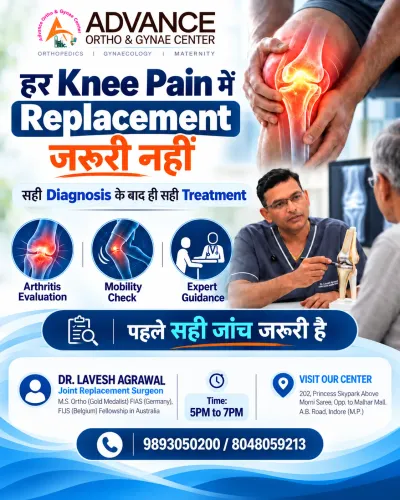
Knee pain is one of the most common musculoskeletal issues. It can result from arthritis, ligament injuries, cartilage damage, obesity, overuse, or age-related degeneration.
Symptoms may include:
Pain while walking
Difficulty climbing stairs
Swelling around the knee
Stiffness after sitting
Pain when standing up
Reduced range of motion
Knee instability
Pain at night
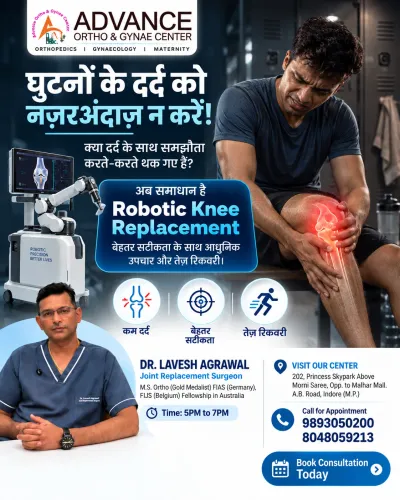
Treatment options—depending on the specific condition—may include medication, physiotherapy, weight management, injections, arthroscopy, or knee replacement surgery. Treatment for Hip Joint Pain
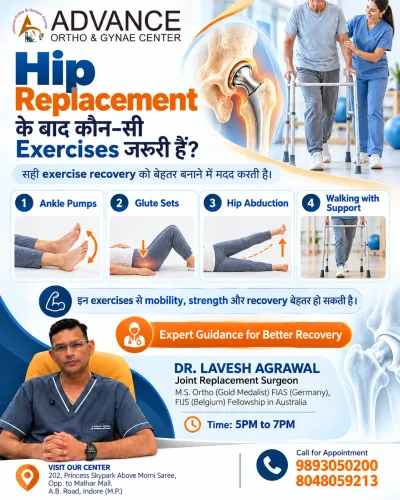
Hip pain can make walking, sitting, bending, or sleeping uncomfortable. It can be caused by arthritis, injury, cartilage damage, or a reduced blood supply to the hip joint.
Patients may experience pain in the hip, groin, thigh, or buttock area.
An initial assessment can help determine whether the pain originates from the hip joint, lower back, muscles, or surrounding tissues.
Treatment may include medications, physiotherapy, activity modifications, injections, or hip joint surgery if necessary.
Treatment for Shoulder Joint Pain
Shoulder pain can result from frozen shoulder, rotator cuff injury, arthritis, tendon inflammation, or sports-related injuries.
Common symptoms include:
Difficulty lifting the arm
Pain while getting dressed
Restricted shoulder movement
Pain at night
Weakness in the arm
Pain when sleeping on one side
Treatment may include medications, physiotherapy, exercises, injections, or minimally invasive procedures.
When is joint surgery recommended?
Joint surgery is not the first treatment option for every patient. An orthopedic consultation may be considered in the following situations:
Severe and persistent joint pain
Difficulty moving or walking
Sleep disturbed by pain
Limited ability to perform daily activities
No relief from medications
No improvement in symptoms with physiotherapy
Severe joint damage
Progressive joint deformity
Significant impact on quality of life
This decision is made after reviewing the patient's symptoms, examination findings, diagnostic reports, and response to previous treatments. Benefits of Early Orthopedic Consultation
An early orthopedic evaluation can help with:
Detecting arthritis and injuries at an early stage
Reducing pain and inflammation
Preventing further joint damage
Improving flexibility and strength
Avoiding unnecessary delays in treatment
Facilitating better mobility
Reducing reliance on pain medication
Formulating an appropriate rehabilitation plan
Why Choose Dr. Lavesh Agrawal?
Dr. Lavesh Agrawal is an experienced joint replacement surgeon in Indore, providing specialized care for knee, hip, shoulder, and other joint-related issues.
At Advance Ortho & Gynae Center, patients receive a comprehensive clinical evaluation and treatment recommendations tailored to their specific condition. The focus here is on accurate diagnosis, clear communication, appropriate treatment, and effective recovery.
Treatment options may include conservative care (non-surgical treatment), physiotherapy, minimally invasive procedures, or joint replacement surgery if necessary.
Tips for Healthy Joints
Healthy habits can help reduce stress on your joints and improve mobility.
Maintain a healthy weight
Exercise regularly
Choose low-impact activities
Avoid sudden heavy lifting
Strengthen the muscles around your joints
Maintain proper posture while working
Do not ignore persistent pain
Ensure proper care after an injury
Follow the prescribed physiotherapy
Consult a doctor before starting strenuous exercise
Frequently Asked Questions
Is joint pain always caused by aging?
No. Joint pain can also result from arthritis, ligament injuries, cartilage damage, inflammation, sports injuries, repetitive strain, or previous fractures.
Can joint pain be treated without surgery?
Yes. Many patients recover through medication, physiotherapy, exercise, weight loss, lifestyle changes, or injection therapy. Surgery is considered only when necessary.
When should I see an orthopedic specialist? If pain, swelling, or stiffness persists for more than a few days, recurs frequently, or interferes with your daily activities, you should consult an orthopedic doctor.
Which joints are commonly affected?
Joint pain typically affects the knees, hips, shoulders, ankles, elbows, wrists, and fingers.
What tests are required for joint pain?
Depending on the symptoms, the doctor may recommend X-rays, MRI scans, blood tests, or other diagnostic procedures.
Is joint replacement suitable for every patient?
No. Joint replacement is recommended only when there is severe joint damage and non-surgical treatments have proven ineffective.
Seek advice for joint pain treatment in Indore
Persistent joint pain should not be considered a normal or inevitable part of aging. Timely diagnosis and proper care can alleviate discomfort, improve mobility, and prevent further joint damage. For professional joint pain treatment in Indore, consult Dr. Lavesh Agrawal at the Advanced Ortho & Gynae Center. Book an appointment for an orthopedic evaluation and take the right step toward better mobility, stronger joints, and a more active lifestyle.
Keywords